
In Abidjan, Côte d’Ivoire, a new podcast is using comedy to combat online hate speech.
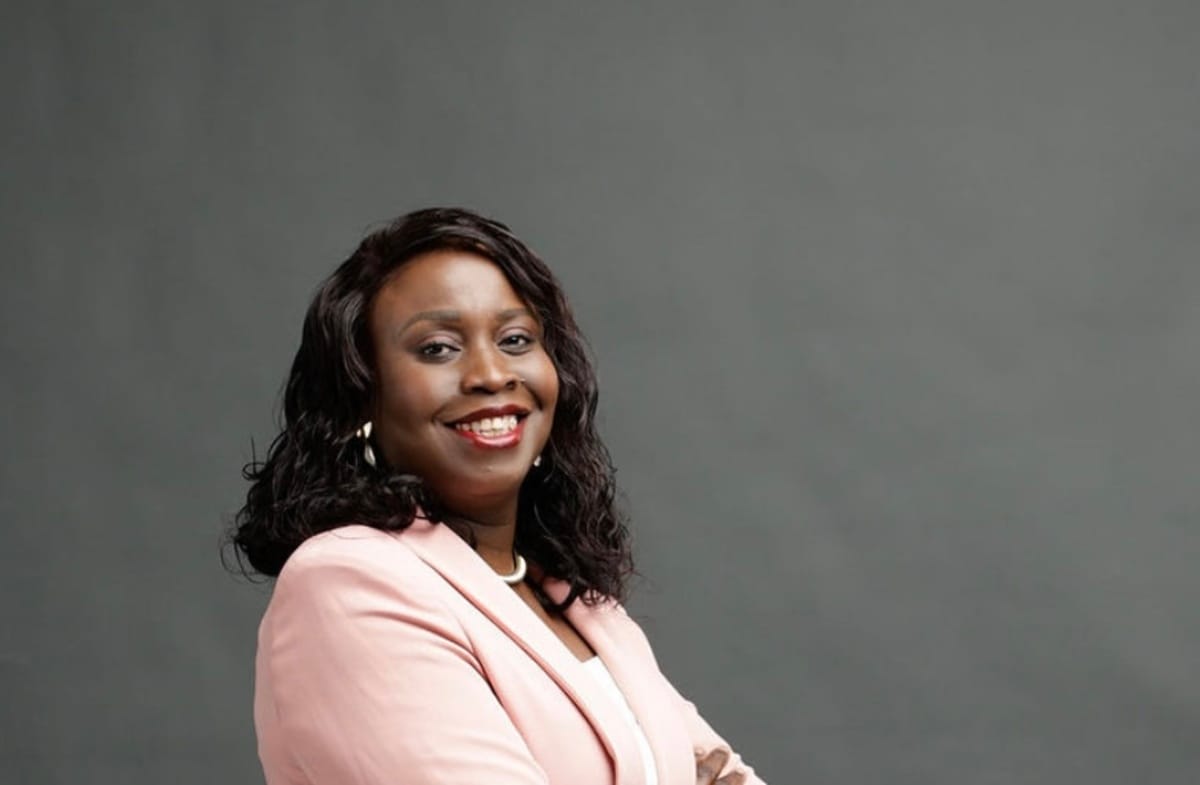
Laissons parler les gens is hosted by rising Ivorian stand-up star Clentelex and produced by Audrey Likound at Istorias Médias.
Comedians, musicians, influencers and athletes- people who live visibly online- come on the show to talk about the impact that hate speech has had on their lives and careers.
I caught up with Audrey recently and asked her why humour felt like the right way in and how you handle something this heavy without making it worse.
INNOVATION IN ACTION

AT A GLANCE
Who: Audrey Likound, Historius Media, Abidjan
What: Laissons parler les gens- a comedy podcast where Ivorian celebrities talk honestly about online hate speech
The Innovation: Using comedy to reach young West Africans who don’t respond to lectures. Host Clentelex (comedian + radio presenter) creates space for real conversations about the volume and toll of hate comments.
The Challenge: Striking the balance between making difficult conversations lighter and ensuring jokes don’t cause harm. The team drafts, reviews with multiple eyes, and cuts anything that doesn’t land. The goal is to get people to pause before posting cruel comments.
Why It Matters: Celebrities can’t log off, as social media is essential to their careers. Many read everything.
GO DEEP.👇🏾
The name tells you everything
When guests arrive, Audrey tells me, they often react to the title immediately. They get it.
Some of them come singing or humming the song Laissons parler les gens - which translates to “Let people talk”
The title references a popular 2000s song most West Africans recognise. She said they did’t want it to feel preachy or like a campaign, so this cultural hook was important.
Why comedy?
The team chose comedy because young people don’t respond to lectures. “You can’t shift behaviour online by sounding like a warning label, and we don’t want them to feel like we’re teaching or preaching to them,” Audrey says. “In Côte d’Ivoire, we love to laugh.”
She adds,“We lived through hard times - wars and everything - and we always tackle life’s hardships through humour.”
So they opted for an “entertain-first” approach, and then let the serious message arrive through laughter.
The show lives or dies on the host
Clentelex is a popular stand-up comedian and a radio morning-show presenter - a rare combination. She says he has great instincts and listening skills, plus the ability to draw a story out of someone without making it feel like an interrogation.
“It was the mix of those things,” Audrey says. “That made us choose him.”
Comedy can heal — and it can harm
While comedy can make difficult conversations feel lighter, safer, and easier to sit with, she acknowledges that it can also cut deep. Some jokes can open people up, or shut them down completely. So how do they strike that delicate balance?
“With a lot of work,” Audrey says. Clentelex drafts and redrafts. Multiple people review for tone and accuracy. If a joke works on paper but doesn’t land on camera? “We cut it immediately. We don’t get attached to clever lines that risk doing harm.”
How do audiences react?
According to Audrey, they haven’t been “dragged” online for going too far. The sharper feedback came from a structured focus group (funded by the EU, which supports the production), where young people watched the content together and provided feedback on what worked and what didn’t.
Some audiences said they wanted the interviews to be much shorter. Others were sensitive about the short monologues. One young woman said the misogyny episode hit too close to home. Watching a man joke about something she’d experienced made her uncomfortable. Another viewer didn’t mind misogyny as a topic, but struggled with religion, as Côte d’Ivoire can be deeply religious, and humour around faith can feel like disrespect, even when the point is broader.
“We took the feedback,” she says, “and we’re trying to be better.” But she’s clear that they don’t want to censor themselves into silence, and that some episodes will work for some audiences and not for others.
Celebrities read the comments. All of them.
Audrey says she didn’t fully understand the scale of online hate until she began interviewing public figures.
She says most guests speak about the volume and relentlessness of it, and how it lingers long after they log off.
Every episode recording begins with the team reading some mean comments to the guest.
And almost always, the guests recognise them instantly. They know the details of the post that triggered the comments, who started it, the whole timeline, everything.
“Social media is essential to their careers: visibility, bookings, brand deals, and relevance, so they can’t just log off”, she says.
According to Audrey, there is also a gender dimension, as women face heavier misogyny, more body commentary, and more scrutiny, and it wears them down.
Entertainment, activism… or both?
I ask Audrey how she sees the project: entertainment, or digital activism?
“Both,” she says.
The goal is behavioural change. When people see their favourite celebrity admit that hate comments actually hurt, maybe next time they will pause before posting something cruel.
Audrey says they’ve already seen hints of that in comments and DMs, with people saying, “I didn’t think about it like that, or I didn’t realise that these people actually read everything.”
🚀OPPORTUNITIES WORTH KNOWING
The good stuff: upcoming events, grants, training programs, jobs, and more
Senior Journalist, BBC News Content - Nigeria
The BBC is looking for a Senior Journalist to join the team based in Lagos, Nigeria. Details here: https://careers.bbc.co.uk/job/Senior-Journalist%2C-News-Content/38897-en_GB/
RUSH with AI Training:
Apply for RUSH with AI: Strengthening Your Radio and Audio Stories Beyond First Air - a training by the Wole Soyinka Centre for Investigative Journalism (WSCIJ) to commemorate 2026 World Radio Day.
Apply now: bit.ly/4av3svH
Deadline: Friday, 20 February 2026
Call for Consultants
African Women in Media (AWiM) is inviting experienced consultants to design and deliver gender-responsive AI training for African newsrooms. Professionals working in AI, media development, digital training and geneder-focused capacity building are encouraged to apply via: [email protected]
Deadline: 20th February 2026.
This Issue Brought to You By Reebo Consult
We work with media organisations to turn big ideas into real impact — integrating AI, navigating digital shifts, and rethinking editorial strategy for the future. Curious about what that could look like for you? Let’s connect. Send me an email.
Help us keep sharing real stories
▶ Know someone who’d love this? Forward it their way.
▶ Was this email forwarded to you?