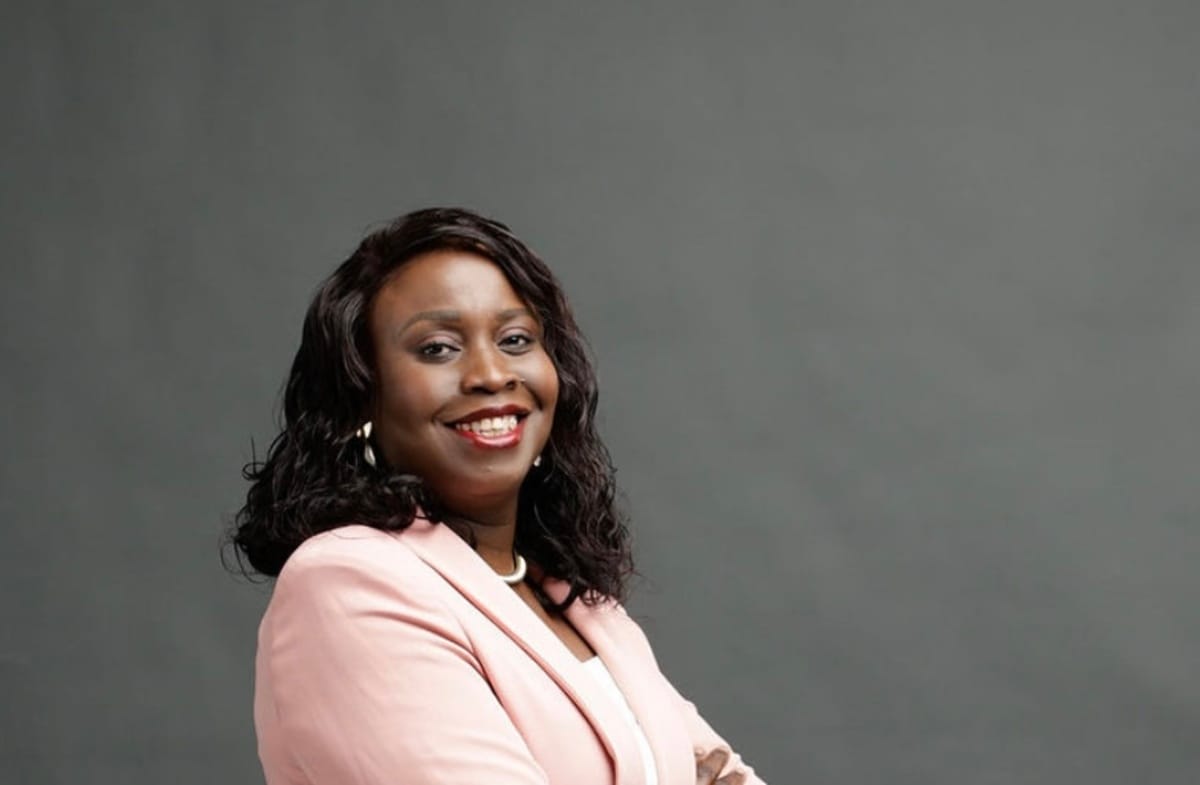

I left last week's International Journalism Festival in Perugia still slightly surprised it took me this long to attend. It was my first time, and now I understand why people keep returning to this gathering of journalists, which is now in its 20th year.

The beautiful Piazza IV Novembre in Perugia
Not cynical. But honest.
The first thing that struck me, besides the setting, was the tone. Yes, the media industry is grappling with many challenges, and people at the festival weren't pretending that things are fine. But they weren't cynical either. They discussed the challenges quite openly — around declining revenues, declining audiences, declining trust, technology disruption, journalists' safety, and everything else that's not working. But they also shared what they are doing to counter some of these challenges. The innovative ideas were very inspiring, including engaging young audiences, experimenting with new revenue models, deploying AI responsibly, collaborating with news influencers, and breaking silos.
Why build something new?
I've always argued that it's easier to start a new media organisation than to transform a traditional one. So it wasn't surprising that one of my favourite panels featured people who have built new platforms from scratch, including Carole Cadwalladr, co-founder of The Nerve and Turi Munthe, also a media founder and investor, who seemed to agree that it might actually be easier to build something new than to reshape what already exists. I learnt that most of the new things being built have been inspired not just by opportunity but also by frustration that some things just aren't working. This has forced some traditional journalists who find it hard to influence change in their institutions to go it alone. And there were lots of independent journalists present.

On of the panels I attended at the festival
Can it stand on its own?
I liked the discussions around the business of journalism and how to make money from it. It was almost unanimous throughout the discussions that funding is now limited across the board. It was great to hear founders discuss how this conversation around sustainability needs to happen earlier on — when thinking about starting something new. Can this stand on its own? Can it survive without depending on someone else's funding? How are we going to make money? It was also clear how essential collaboration across borders and organisations is. It's no longer optional.
Who are you actually building for?
Audiences was another theme that came up again and again. Audiences are currently fragmented. And now it's more important than ever to not only identify your mission and identity, but also your audience. Who are you actually building for? What demographic are you targeting? What are they interested in and why should they come to you? You can't continue to ignore young audiences in the hope that they will one day grow and subscribe to your platform. Once they move, they are unlikely to come back.
On AI: calmer than the headlines
On AI, the conversations felt calmer than the headlines suggest, with speakers sharing how they are embracing it strategically to ensure that the value of original journalism goes up as AI slop explodes. As one speaker put it, "AI increases the value of original reporting, particularly local reporting. If no one is on the ground telling those stories, there is nothing for AI to work with." This shifts the focus back to journalism itself, as something more fundamental. There was also a sense of slowing down, reducing the volume of stories churned out and adding more value, in the form of explanation, and making the audience care. Not everything needs to be said immediately. But when you say it, it should count and cut through the noise.
Bearing witness
There were sessions on both online and offline safety for journalists, and a "bearing witness" session where reporters shared their experiences from the front lines of Sudan, Yemen and Gaza.
Veteran Al Jazeera journalist Wael Al-Dahdouh moved the room to tears when he shared his experience in Gaza — not just having his family killed by Israel, but also feeling failed by international media. "We thought our colleagues, our fellow journalists all around the world, would have a level of solidarity. But the world left us while we were being killed, us, our families and all of our surroundings. We were hoping our fellow journalists would place more pressure on governments and the United Nations to stop this genocide. But the truth is that it was not only us that were being genocided, there was a mass killing of ethics, and there was a mass killing of humanity." This session was a sobering reminder of the risks many journalists continue to face in their work.
Where was Africa?
Even though it was small, I was pleased to see some representation from African newsrooms. DW Akademie was among organisations that had supported a few. But I've since been wondering: why are we still so lightly represented in rooms like this? In conversations that are, in many ways, about us too? We have the experience and could bring a different perspective to the discussions, because if anything, some of the most complex, high-stakes journalism is happening on the continent. So what is it? Access? Funding? Networks? Or are we still not pushing ourselves into these spaces enough? And how do we move from being present to being part of the conversation, and shaping it? These are some of the questions I've been asking myself.

Here’s me. Most of the festival happens away from the panels and at cafes like this.
Beyond the panels
As a Perugia first-timer, I also learned that a huge part of the festival happens away from the panels — mostly over coffee, gelato, and aperitivo. One of my former BBC colleagues told me he'd attended just two of the more than 300 sessions, because he'd come to mainly meet potential collaborators. It was lovely to reconnect with familiar faces and meet new ones. I now understand why people keep attending the festival year after year. I've returned, feeling energised and at the same time battered from pounding on uneven pavement, averaging around 13,000 steps a day in this beautiful, hilly, green heart of Italy. But the good thing — as my sister noted — I have lost a few pounds :-)
🚀OPPORTUNITIES WORTH KNOWING
The good stuff: upcoming events, grants, training programs, jobs, and more
MTN Pan-African Media Innovation Programme (MIP) 2026
A 12-week certified programme for mid-to-senior journalists across MTN markets in Africa, combining online learning with in-person immersion in Johannesburg. Run in partnership with the University of Johannesburg and the African Editors Forum.
Deadline: 30 April 2026
Dag Hammarskjöld Journalism Fellowship 2026
Fully funded trip to New York to cover the UN General Assembly. Open to journalists aged 25–35 from Africa, Asia and Latin America.
Deadline: 30 April 2026
This Issue Brought to You By Reebo Consult
We work with media organisations to turn big ideas into real impact — integrating AI, navigating digital shifts, and rethinking editorial strategy for the future. Curious about what that could look like for you? Let’s connect. Send me an email.
Help us keep sharing real stories
▶ Know someone who’d love this? Forward it their way.
▶ Was this email forwarded to you?